


What to Expect When You Need an Emergency Tooth Extraction
Severe tooth pain can take over your day fast. When eating, sleeping, or focusing becomes difficult due to a damaged or infected tooth, urgent dental care may be required.
Emergency tooth extractions are among the most common services at an urgent dental clinic, offering prompt relief when a tooth can no longer be saved, and immediate treatment is necessary to protect your health.
This guide walks you through when emergency tooth extractions are necessary, what to expect during urgent treatment, and how prompt care can protect your comfort and long‑term oral health.
When Is an Emergency Tooth Extraction Needed?
Emergency extractions are typically recommended when a tooth is severely decayed, infected, fractured beyond repair, or causing significant pain and swelling.
In many cases, our patients seek our care after discomfort escalates or signs of infection appear, such as facial swelling, fever, or persistent throbbing pain.
Removing the compromised tooth can stop the progression of infection and prevent damage to surrounding teeth and bone.
What to Expect During an Urgent Dental Visit for a Tooth Extraction
When you arrive at an urgent dental clinic, the focus is on identifying the problem and relieving pain as efficiently as possible.
A dentist will evaluate your symptoms, examine the affected tooth, and often take digital X-rays to determine the underlying issue. This step ensures that extraction is truly the best option and helps rule out alternative same-day treatments when appropriate.
Urgent dental visits are designed to be streamlined and patient-focused. The goal is to address the problem causing pain, not to schedule unnecessary follow-ups or delay care when immediate treatment is needed.
How the Extraction Process Works
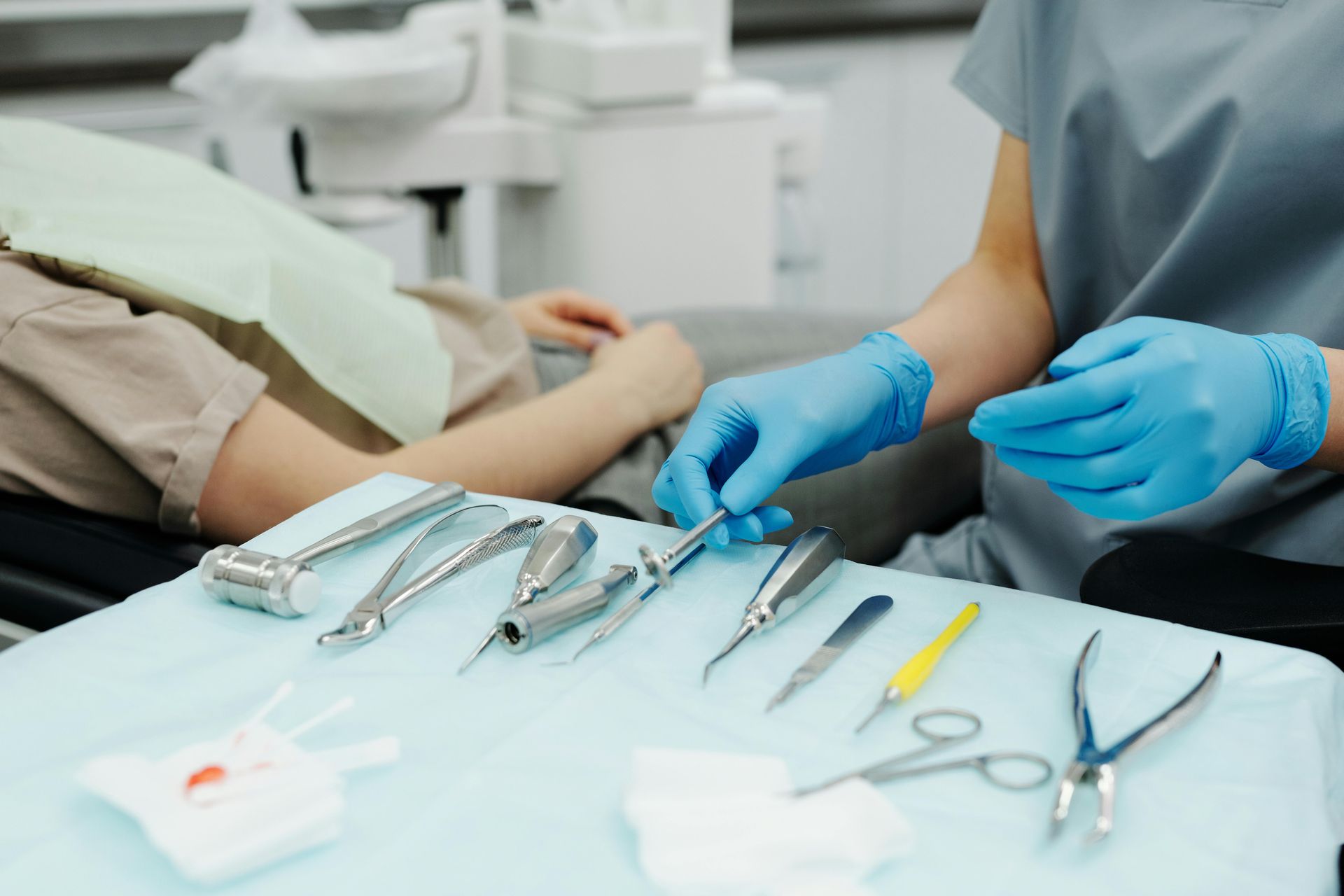
If an extraction is recommended, the procedure usually begins with local anesthesia to numb the area and keep you comfortable.
Most emergency extractions are completed efficiently, minimizing the amount of time you're in discomfort.
Throughout the process, the dentist focuses on removing the tooth safely while preserving the surrounding tissue. Once the tooth is removed, the area is cleaned to reduce the risk of lingering infection and promote healthy healing.
Managing Pain and Recovery After an Extraction
After the procedure, it's normal to experience some soreness or mild swelling. Patients are given clear aftercare instructions, including how to manage discomfort, reduce swelling, and protect the extraction site while it heals.
Pain is typically manageable with over-the-counter or prescribed medication, and most patients return to normal activities within a short period.
Following post-treatment instructions closely is important for avoiding complications and ensuring smooth healing, especially during the first few days after an extraction.
Why Prompt Extraction Matters
Leaving an infected or severely damaged tooth untreated can lead to serious complications.
Oral infections can spread to the surrounding tissues, the jawbone, and, in some cases, beyond the mouth.
Emergency tooth extractions remove the source of infection and allow the body to begin healing right away, reducing the risk of more extensive treatment later.
Frequently Asked Questions About Tooth Extractions
Will an Emergency Tooth Extraction Hurt?
During the procedure, the area is fully numbed, so pain is minimal. You may feel pressure, but not sharp pain.
That being said, there are cases where the pressure may become intense, depending on how secure it is. If it becomes too much, let your dentist know.
Some soreness after the extraction is normal and typically manageable.
How Long Does It Take To Recover From an Extraction?
Initial healing usually occurs within a few days, with most discomfort resolving during that time.
Complete healing of the site can take several weeks, depending on the complexity of the extraction.
Is It Safe To Wait Before Getting a Tooth Extracted?
Delaying treatment for an infected or severely damaged tooth can allow the problem to worsen.
Infection can spread and lead to more serious complications. Seeking urgent care helps prevent these risks.
What Should I Avoid After an Extraction?
Patients are generally advised to avoid smoking, using straws, and eating hard or chewy foods for a short period following treatment to protect the extraction site.
What Happens After the Tooth Is Removed?
After the area heals, patients can discuss tooth replacement options when ready.
Urgent dental treatment focuses on resolving pain and infection first, allowing time to consider long-term solutions without pressure.

Planning Next Steps After Emergency Care
An extraction often provides immediate relief, but it can also be the first step toward restoring long-term oral health.
Often times a permanent replacement is best done by a general comprehensive dentist. If a patient does not have established care, STL Urgent Dental can refer them to find a dentist outside of our to handle the restorative phase.
Urgent dental care focuses on stabilization first, giving patients the opportunity to make informed decisions without the pressure of ongoing pain.
Don't Wait When Something Feels Wrong
Dental emergencies rarely happen at a convenient time. Emergency tooth extractions play a critical role in restoring comfort, preventing complications, and helping patients move forward.
When pain or infection can't wait, urgent dental care provides timely solutions designed to protect both your oral health and overall well-being.
At St. Louis Urgent Dental, we provide focused, compassionate care designed to address urgent concerns when they arise.
If you're experiencing dental pain, swelling, or other symptoms that shouldn't be ignored, our team is ready to help with prompt evaluation and treatment.
Book your appointment today, and get the care and relief you deserve.
(Please note that we are a "problem-focused" clinic and do not perform regular cleanings.)