

Do I Need Emergency Dental Care or Can It Wait?
A sudden toothache, a cracked tooth, or a dental injury can leave you wondering whether you need immediate treatment or if the problem can wait until your regular dental appointment.
While some dental concerns are minor and can be monitored temporarily, others require prompt attention to prevent worsening pain, infection, or permanent damage.
Knowing the difference between a true dental emergency and a non-urgent issue can help you make informed decisions about your oral health and get the care you need at the right time.
What Qualifies as a Dental Emergency?
A dental emergency is any oral health problem that requires immediate treatment to stop severe pain, control bleeding, prevent infection, or save a tooth.
Common dental emergencies include knocked-out teeth, severe toothaches, dental abscesses, uncontrolled bleeding, and broken or damaged teeth that expose the inner tooth structure. These situations often worsen if left untreated and may result in more complex procedures later.
If you're experiencing significant pain, swelling, or trauma to the mouth, it is generally best to seek professional evaluation as soon as possible.
Severe Tooth Pain Should Never Be Ignored
Tooth pain is one of the most common reasons patients seek emergency dental care. While occasional sensitivity may not require immediate treatment, severe or persistent toothaches often indicate an underlying problem.
Conditions such as deep decay, infections, cracked teeth, or damaged dental restorations can all cause significant discomfort. Waiting too long to address these issues may allow the condition to worsen, potentially leading to more extensive and costly treatment.
If tooth pain is interfering with your ability to eat, sleep, or focus on daily activities, emergency dental care may be the best option.
A Knocked-Out Tooth Requires Immediate Attention
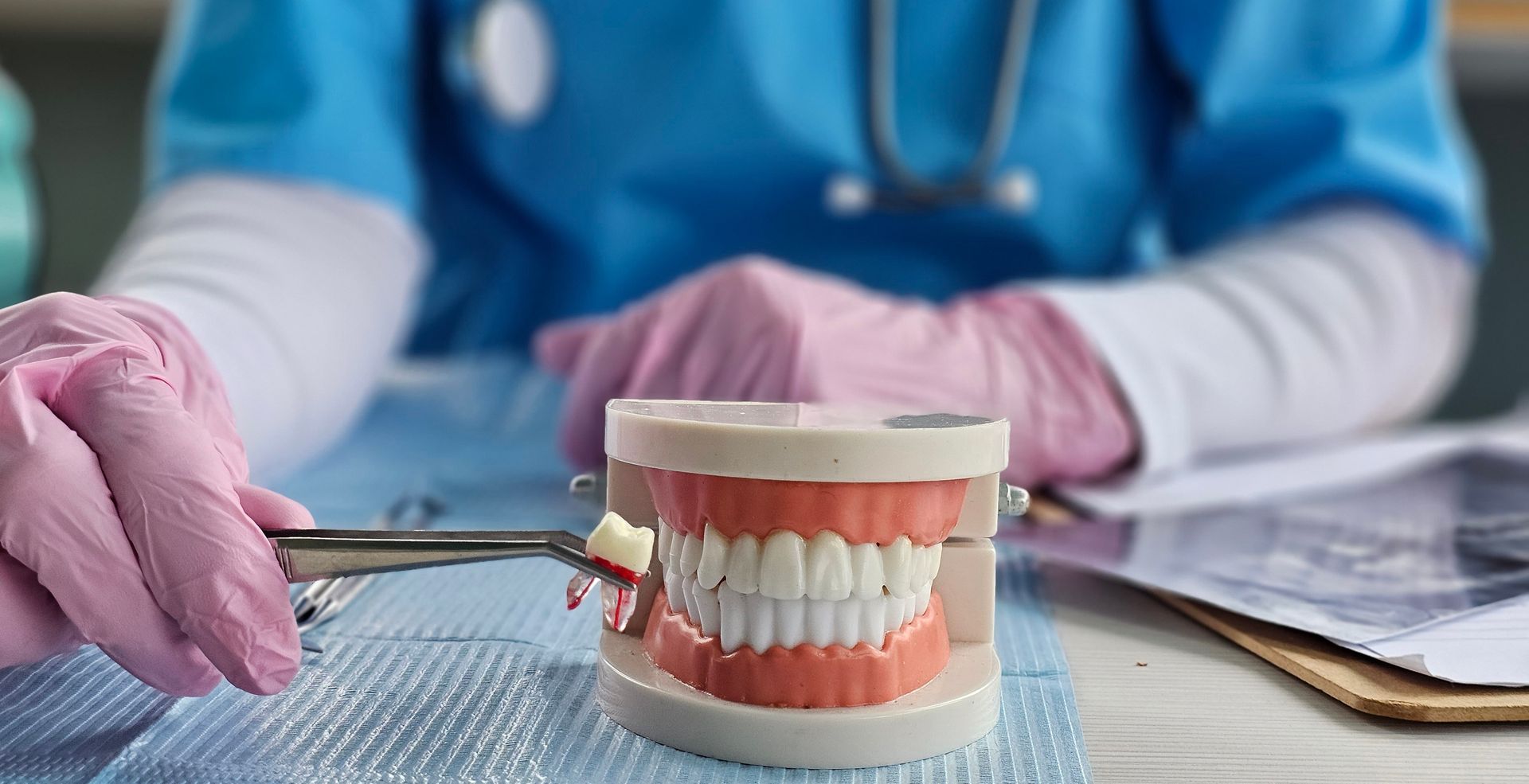
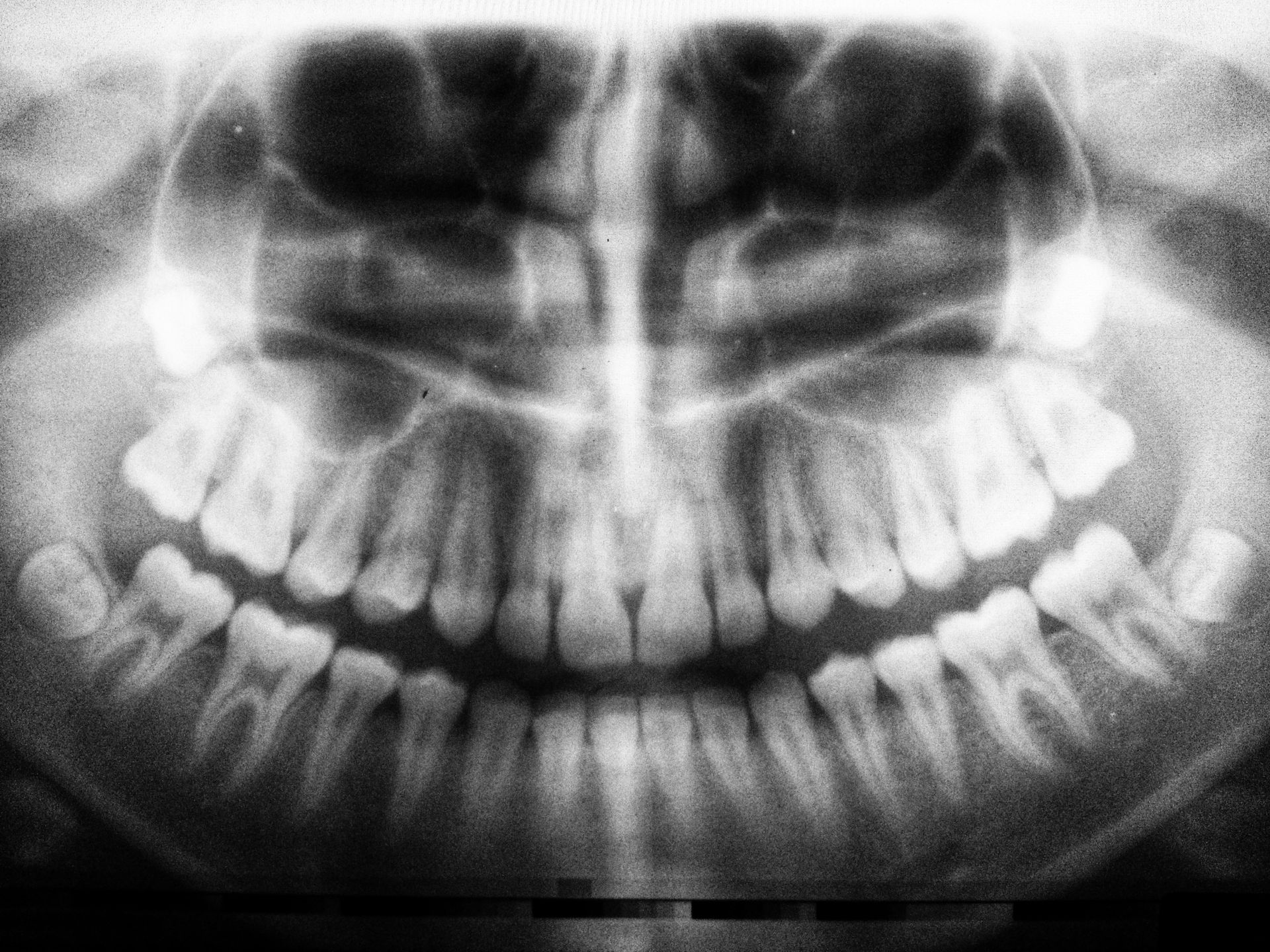
A knocked-out tooth is one of the most time-sensitive dental emergencies. In many cases, prompt treatment increases the likelihood that the tooth can be successfully saved.
If a permanent tooth is knocked out, carefully handle it by the crown rather than the root and seek emergency dental care immediately. Acting quickly can make a significant difference in the treatment outcome.
Even if you're unsure whether the tooth can be saved, immediate professional evaluation is strongly recommended.
Swelling and Signs of Infection Should
Swelling in the gums, jaw, or face can indicate an infection that requires prompt attention. Dental infections rarely resolve on their own and may continue spreading if left untreated.
Other warning signs of infection can include persistent tooth pain, a bad taste in the mouth, fever, swollen lymph nodes, or drainage from the affected area.
Because infections can potentially affect both oral and overall health, they should be evaluated by a dental professional as soon as possible.
When a Cracked or Broken Tooth Is an Emergency
Not all chipped teeth require treatment, but significant cracks, fractures, or broken teeth often do.
A damaged tooth may expose sensitive inner structures, increase the risk of infection, and cause pain when chewing or drinking. In some cases, delaying treatment can result in further breakage or make the tooth more difficult to restore.
If you experience pain, sharp edges, visible damage, or sensitivity after a tooth breaks, it is a good idea to seek prompt evaluation.
Some Dental Problems Can Wait Briefly
While certain situations require immediate care, others may be monitored for a short period until a standard dental appointment is available.
Minor sensitivity, small chips without pain, a lost filling without discomfort, or mild irritation from dental appliances are examples of issues that may not require same-day treatment. However, symptoms should still be monitored closely because conditions can change unexpectedly.
If you are uncertain whether your situation is urgent, contacting a dental professional can help you determine the appropriate next step.

Why Delaying Treatment Can Make Things Worse
Many dental problems become more difficult to treat when they are ignored. Small cavities can grow larger, minor cracks can expand, and infections can spread beyond the initial problem area.
Prompt treatment often means simpler solutions, less discomfort, and a better chance of preserving your natural teeth. Waiting too long can sometimes lead to more extensive procedures and longer recovery times.
When in doubt, it is usually best to have the issue evaluated before it develops into a bigger problem.
What to Do Before Your Appointment
If you are waiting to be seen by a dentist, there are a few steps you can take to help reduce discomfort.
Applying a cold compress can help reduce swelling, while gently rinsing the affected area with warm salt water may help keep it clean. Over-the-counter pain relievers may provide temporary relief, but they should not replace professional treatment.
For knocked-out or damaged teeth, taking steps to protect the tooth and seeking care quickly can improve treatment outcomes.
Get Fast Relief at STL Urgent Dental
Dental emergencies rarely happen at convenient times. Whether you're dealing with a severe toothache, dental injury, swelling, or a broken tooth, getting prompt care can help protect your oral health and relieve discomfort.
At
STL Urgent Dental, we provide emergency dental services designed to address urgent oral health concerns quickly and effectively. If you're unsure whether your situation requires emergency care, our team can help you determine the best course of action and get you back to feeling your best.
Reach out today!