

Dental Symptoms You Should Never Ignore
Most people have experienced a minor dental annoyance at some point. Maybe it's a little sensitivity when drinking something cold, a sore spot that seems to come and go, or a tooth that feels slightly different than usual.
Sometimes these symptoms resolve on their own. Other times, they can be warning signs of a more significant dental problem.
One of the biggest mistakes people make is assuming that if the pain is manageable or the symptom is not severe, it can wait indefinitely. Unfortunately, many dental issues become more difficult, painful, and expensive to treat when they are ignored.
Knowing which symptoms deserve prompt attention can help protect your oral health and prevent unnecessary complications.
Severe or Persistent Tooth Pain
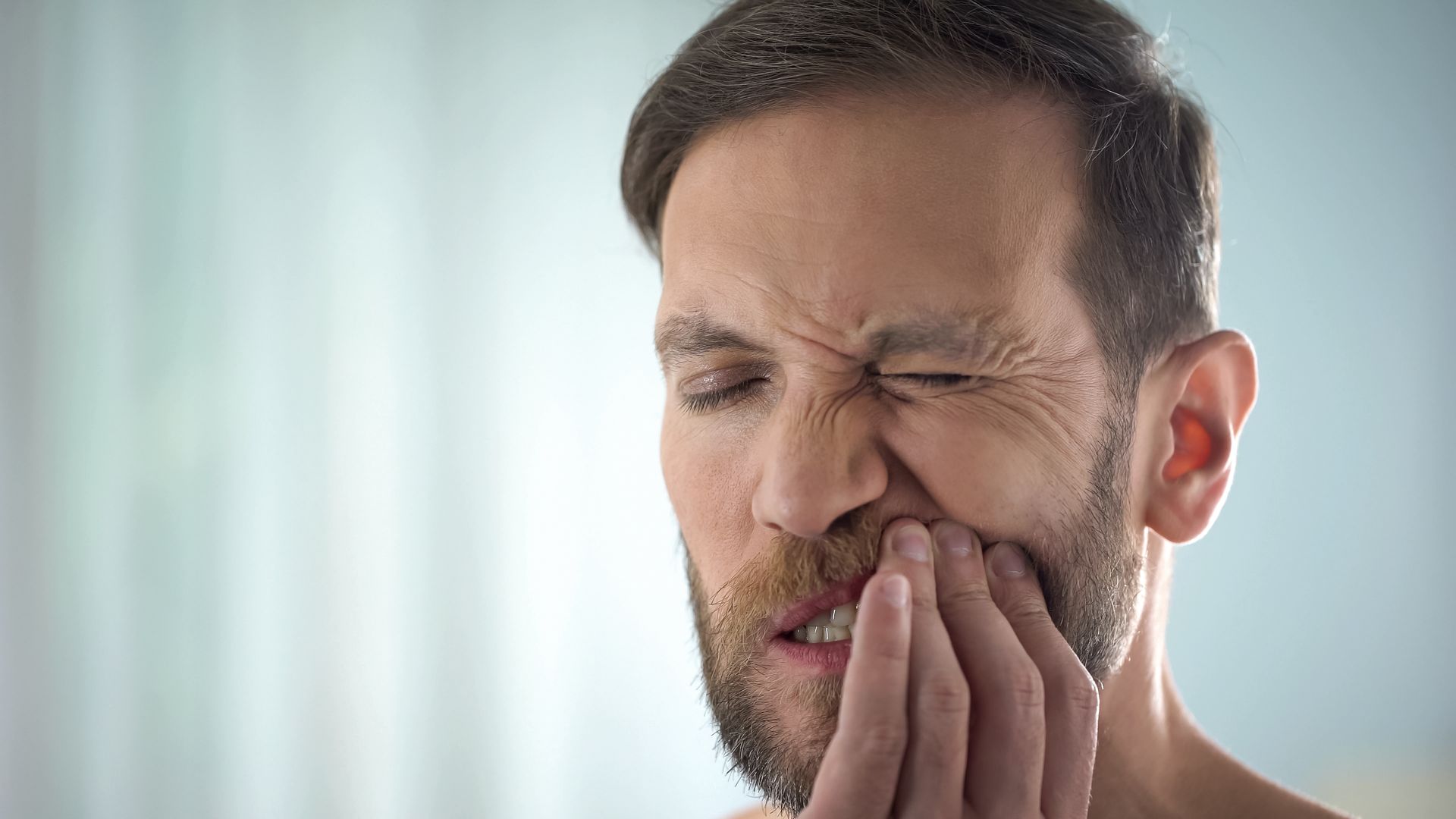
A toothache is one of the most common reasons people seek urgent dental care.
While mild sensitivity can occasionally occur after consuming hot, cold, or sweet foods, persistent tooth pain is different. Pain that lasts for several days, keeps returning, or interferes with eating, sleeping, or daily activities should not be ignored.
Tooth pain can have many potential causes, including decay, infection, damage to a tooth, or inflammation within the tooth's pulp. Regardless of the cause, ongoing pain is often your body's way of signaling that something needs attention.
Waiting and hoping the discomfort goes away may only allow the underlying problem to worsen.
Swelling in the Gums, Jaw, or Face
Swelling is another symptom that deserves immediate attention.
Many people associate dental problems strictly with teeth, but infections and other oral health concerns can affect the surrounding gums, jaw, cheeks, and facial tissues as well. Sudden swelling around a tooth or in the face may indicate an infection that requires professional evaluation.
In some cases, swelling may be accompanied by pain, tenderness, difficulty chewing, or a feeling of pressure. Even if discomfort seems manageable, visible swelling should never be dismissed as something that will simply resolve on its own.
Prompt treatment can often prevent the situation from becoming more serious.
A Cracked, Broken, or Chipped Tooth
Many people are surprised to learn that even a small chip or crack can create significant problems.
Some dental injuries are obvious. A large fracture or broken tooth typically prompts immediate concern. Smaller chips, however, are often ignored because they may not cause pain right away.
The problem is that visible damage does not always tell the entire story. A crack may extend deeper into the tooth than you can see, creating opportunities for bacteria to enter and potentially leading to infection or additional damage.
Dental trauma from sports, accidents, falls, or biting down on something hard should be evaluated as soon as possible, even if the damage initially appears minor. STL Urgent Dental has previously highlighted that seemingly small chips can sometimes hide larger issues beneath the surface.
Bleeding That Doesn't Have an Obvious Cause
While occasional gum irritation can occur, ongoing or unexplained bleeding should not be ignored.
Bleeding may occur while brushing or flossing, or it may develop spontaneously without a clear reason. If bleeding continues repeatedly or appears excessive, it can indicate an underlying issue affecting the gums or surrounding tissues.
Similarly, bleeding following a dental injury may require prompt evaluation to determine the extent of damage and ensure proper healing.
Healthy gums generally do not bleed regularly, so persistent bleeding is a symptom worth discussing with a dental professional.
A Bad Taste in Your Mouth or Persistent Bad Breath
Everyone experiences bad breath from time to time, especially after certain meals. However, a persistent unpleasant taste or ongoing bad breath that does not improve with normal brushing and oral hygiene may signal an underlying dental problem.
Trapped bacteria, tooth decay, gum disease, and infections can all contribute to unpleasant tastes and odors.
In some cases, patients report noticing a foul taste that seems to come from a specific tooth or area of the mouth. This can sometimes indicate drainage from an infection or another issue requiring professional attention.
While these symptoms may seem easy to overlook, they are often signs that something more significant is occurring beneath the surface.
Sudden Sensitivity to Hot, Cold, or Pressure
Tooth sensitivity can have many causes, but sudden or worsening sensitivity should not be ignored.
If a tooth suddenly becomes painful when exposed to hot coffee, cold drinks, or pressure from chewing, it may indicate a developing problem. Cracks, cavities, exposed roots, damaged fillings, and other dental concerns can all lead to heightened sensitivity.
Pay particular attention if the sensitivity seems to be increasing over time or affecting your ability to eat comfortably. Changes like these often suggest that a tooth may need evaluation before the issue progresses further.

Signs of Infection Should Be Taken Seriously
Among all dental symptoms, signs of infection deserve special attention.
Potential warning signs may include:
- Persistent or throbbing tooth pain
- Swollen gums
- Facial swelling
- Tenderness around a tooth
- A bad taste in the mouth
- Fever or feeling unwell
Dental infections typically do not improve without treatment. In fact, they often become more painful and more complicated over time.
Seeking prompt dental care when an infection is suspected can help prevent further complications and provide relief more quickly.
When It's Better to Call Sooner Rather Than Later
Many people worry about overreacting to dental symptoms. They may wonder whether a problem is serious enough to justify a dental appointment.
The reality is that early evaluation often leads to simpler treatment and better outcomes. Addressing a problem while it is still small may help prevent additional pain, more extensive procedures, and avoidable complications later.
Even if a symptom ultimately turns out to be minor, the peace of mind that comes with a professional evaluation can be valuable.
Trust Your Instincts When Something Doesn't Feel Right
Not every dental symptom is an emergency, but some warning signs should never be ignored. Persistent pain, swelling, dental trauma, unexplained bleeding, unusual sensitivity, and signs of infection can all indicate problems that deserve professional attention.
If something feels different, worsens unexpectedly, or simply doesn't seem right, it is often better to seek evaluation sooner rather than later. Early intervention can help protect your oral health, relieve discomfort, and prevent more significant issues in the future.
At St. Louis Urgent Dental, we're here to provide prompt, compassionate care when you need it most.
If you're experiencing dental pain or symptoms that shouldn't be ignored (now or in the future),
contact our team for an urgent appointment today.