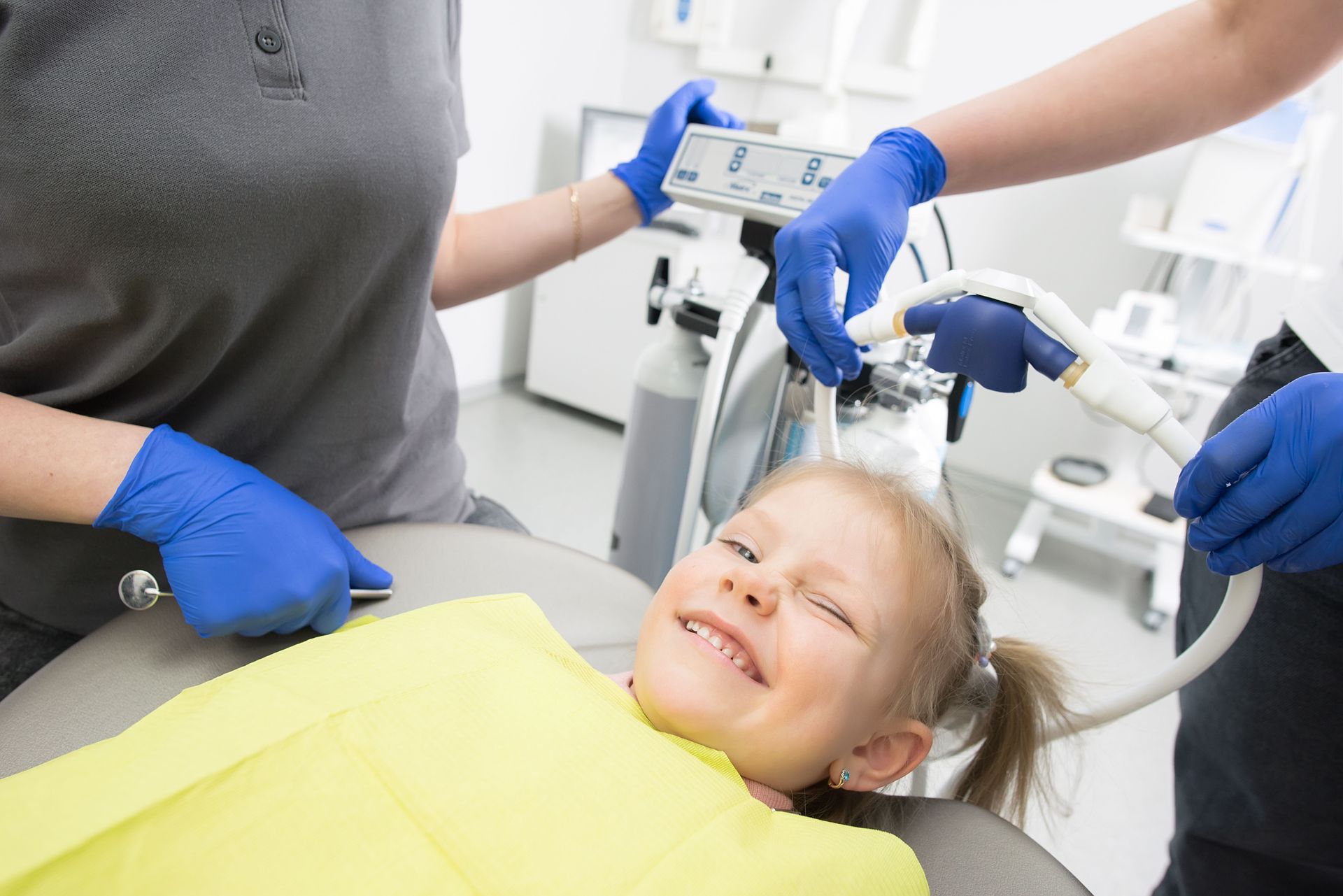


What Causes a Tooth to Crack and What Should You Do Next?
A cracked tooth can happen when you least expect it. One minute you're eating lunch, chewing ice, or biting into a hard piece of candy, and the next you're feeling pain, sensitivity, or a strange sensation when you bite down.
Some cracks are obvious, while others are so small that you may not notice them right away. Unfortunately, even minor cracks can create major problems if you ignore them. Understanding what causes a tooth to crack and knowing when to seek treatment can help you protect your smile and avoid more extensive dental work later.
What Causes a Tooth to Crack?
Several factors can cause a tooth to crack. In many cases, damage occurs gradually over time before symptoms finally appear.
One of the most common causes is simply biting down on something hard. Ice, hard candy, popcorn kernels, and similar foods can place a tremendous amount of pressure on your teeth.
Teeth can also crack because of:
- Teeth grinding or clenching
- Sports injuries
- Falls and accidents
- Large fillings that weaken the tooth structure
- Sudden temperature changes from hot to cold foods
- Normal wear and tear as you age
Over the years, your teeth withstand thousands of chewing cycles. As they age, they can become more vulnerable to damage, especially if you already have dental restorations or a history of teeth grinding.
What Are the Signs of a Cracked Tooth?
Not every cracked tooth causes immediate pain.
In fact, some people live with small cracks for weeks or months before they experience symptoms. Because the crack may open and close during chewing, the discomfort often comes and goes.
Common symptoms include:
- Pain when biting or chewing
- Sensitivity to hot foods and drinks
- Sensitivity to cold foods and drinks
- Intermittent tooth pain
- Swelling around the affected tooth
- A rough or sharp edge you can feel with your tongue
Many patients describe the discomfort as a sharp pain that occurs only when they release their bite. If you notice pain that repeatedly returns while eating, a crack could be the cause.
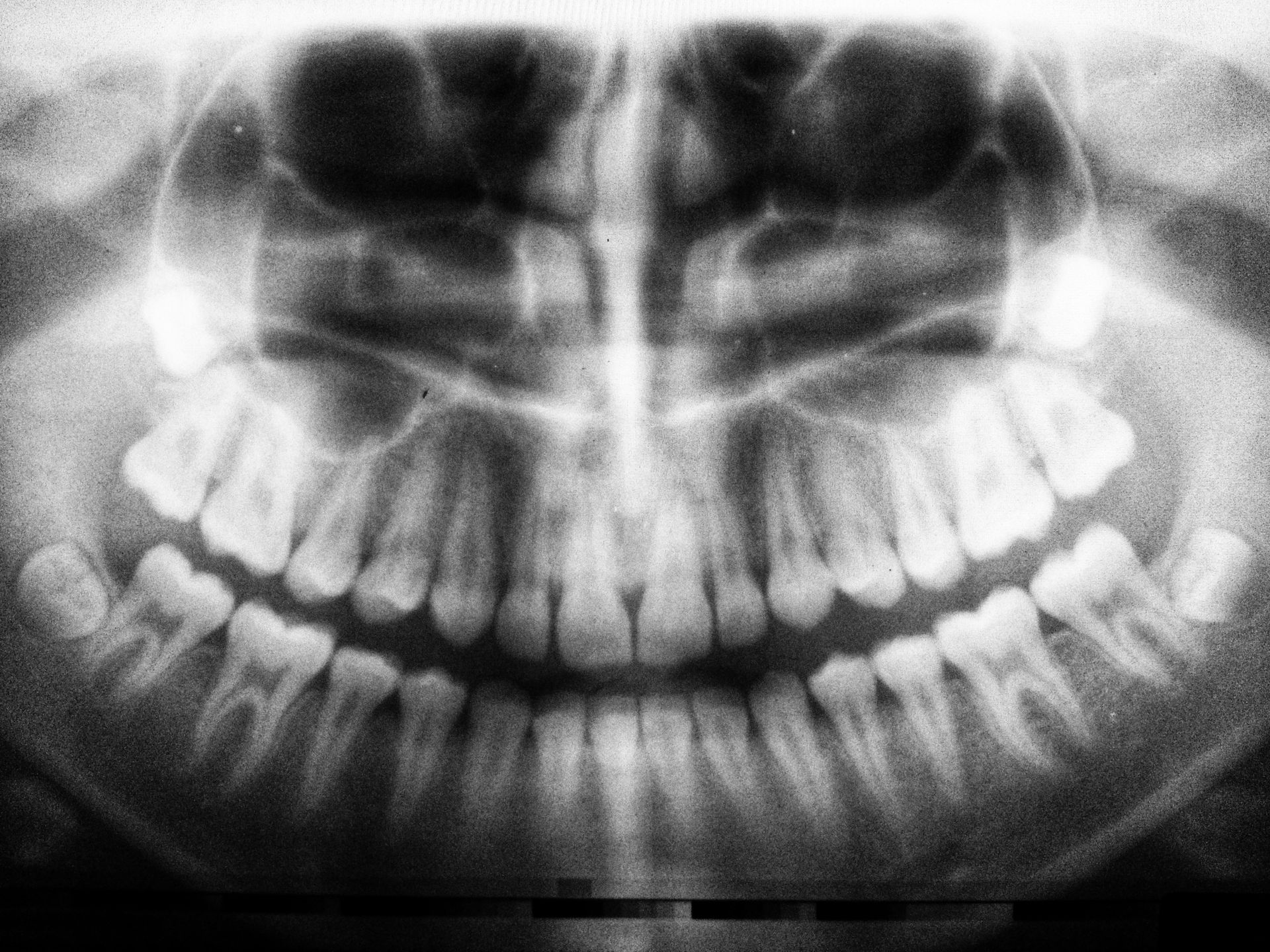
Can a Cracked Tooth Heal on Its Own?
Unfortunately, no.
Unlike a broken bone, a cracked tooth cannot repair itself. Once a crack forms, the damage remains unless a dental professional treats it.
This is why early treatment matters. Even a small crack can grow larger over time. Every time you chew, you place additional stress on the damaged area. The longer you wait, the greater the risk that the crack will spread deeper into the tooth.
Seeking prompt care often gives you more treatment options and improves your chances of saving the tooth.
What Happens If You Ignore a Cracked Tooth?
Ignoring a cracked tooth can lead to much bigger problems.
A small crack may allow bacteria to enter the inner portions of the tooth. As bacteria travel deeper, they can cause inflammation, infection, and damage to the tooth's nerve.
Without treatment, a cracked tooth may eventually result in:
- Severe tooth pain
- Infection
- Dental abscesses
- Gum swelling
- Difficulty chewing
- Tooth loss
In some cases, a dentist can repair a crack with a crown or another restoration if it is caught early. If the crack extends into the tooth's root or causes significant damage, you may need more extensive treatment or even an extraction.
What Should You Do If You Think You Cracked a Tooth?
If you believe you cracked a tooth, don't wait for the pain to become unbearable.
Instead, take a few simple steps:
Rinse Your Mouth
Use warm water to gently rinse the area and remove any food particles that may cause additional irritation.
Avoid Chewing on That Side
Try to avoid putting pressure on the damaged tooth until a dentist can evaluate it.
Stick to Softer Foods
Choose softer foods that require minimal chewing. Avoid hard, crunchy, or sticky foods that could worsen the damage.
Use a Cold Compress if Needed
If you experience swelling, place a cold compress on the outside of your cheek for short periods to help reduce discomfort.
Schedule a Dental Evaluation
The sooner you receive a professional evaluation, the better your chances of preserving the tooth and avoiding more serious complications.
How Do Dentists Treat Cracked Teeth?
Treatment depends on the size, location, and severity of the crack.
For minor damage, a dentist may recommend bonding or a dental crown to strengthen and protect the tooth.
If the crack extends into the pulp, you may need root canal therapy to remove damaged tissue and save the tooth.
When a crack extends below the gumline or into the root, extraction may be the most predictable treatment option.
Every situation is different, which is why a professional examination is so important.

Can You Prevent Cracked Teeth?
While you can't prevent every dental injury, you can lower your risk.
You can help protect your teeth by:
- Wearing a mouthguard during sports
- Avoiding chewing ice and hard objects
- Addressing teeth grinding with a nightguard
- Maintaining regular dental visits
- Seeking treatment when you notice symptoms early
Small preventive steps often help you avoid larger and more expensive dental problems later.
Don't Ignore the Warning Signs
A cracked tooth may seem minor at first, but the problem rarely improves without treatment. If you experience pain when chewing, sudden sensitivity, or visible damage to a tooth, don't wait to see if the symptoms disappear on their own.
At STL Urgent Dental, we help patients get fast answers and prompt treatment for cracked teeth, broken teeth, severe toothaches, and other dental emergencies.
If you think you've cracked a tooth, contact our team today to protect your oral health and prevent the problem from worsening.