

Emergency Pediatric Dentistry: What It Is and How It Is Different
Dental emergencies have a way of happening at the worst possible times. For children, that often means during sports, at the playground, or even at home during everyday activities.
When a child experiences a dental injury or sudden pain, it can quickly become stressful for both the child and the parent.
In those moments, one of the most common questions is whether the situation requires urgent care or if it can wait.
Understanding what emergency pediatric dentistry involves, and how it differs from regular dental care, can help you make faster, more confident decisions.
What Is Emergency Pediatric Dentistry?
Emergency pediatric dentistry focuses on urgent dental issues that affect children. The goal is to identify the problem quickly, relieve pain, and prevent the situation from getting worse.
These types of visits are not routine checkups. Instead, they are designed to address immediate concerns that cannot wait for a scheduled appointment with a general dentist.
Common examples of pediatric dental emergencies include knocked-out or loose teeth, severe toothaches, swelling or infection, and broken or chipped teeth. In each case, quick evaluation and treatment can make a significant difference in both comfort and long-term outcomes.
How Pediatric Dental Emergencies Are Different
Treating dental emergencies in children requires a different approach than treating adults. One of the main reasons is that children's teeth are still developing.
In some cases, the affected tooth may be a baby tooth rather than a permanent one. That distinction matters, as treatment decisions can vary depending on the type of tooth, the child's age, and the nature of the injury.
Beyond the clinical differences, there is also an emotional component to consider. Children may feel anxious, scared, or overwhelmed during a dental emergency.
Care needs to be handled in a way that keeps them calm and comfortable while still addressing the issue quickly.
This combination of clinical judgment and a child-focused approach is what sets pediatric emergency care apart.
Common Pediatric Dental Emergencies to Watch For
Not every dental issue is an emergency, but there are several situations where prompt care is important.
A knocked-out tooth is one of the most obvious examples. Acting quickly in this situation can improve the chances of saving a permanent tooth. A loose or displaced tooth may not seem as urgent at first, but it still requires evaluation to determine the best next step.
Severe tooth pain is another common concern. Persistent or intense discomfort may indicate infection or damage that needs attention. Swelling in the gums or face can also signal infection and should not be ignored.
Cracked or broken teeth are also worth addressing quickly, especially if the damage exposes sensitive areas of the tooth or causes pain.
Knowing what to look for can help you decide when it is time to seek care rather than wait to see if the issue improves on its own.
What Parents Should Do in an Emergency
When a dental emergency happens, the first step is to stay calm and assess the situation. Look for visible signs, such as bleeding, swelling, or tooth damage.
Try to determine whether your child is experiencing significant pain or discomfort. If the injury involves a tooth, gums, or jaw, or if symptoms are getting worse, it is a good idea to contact an urgent dental provider.
It is not always easy to tell how serious a situation is at first. When in doubt, having the issue evaluated can help prevent unnecessary complications and give you a clear understanding of what to do next.
How Emergency Care Differs from a Regular Dental Visit
Emergency dental visits are focused on addressing the immediate problem. The priority is to relieve pain, stabilize the situation, and determine the best next step.
This is different from a routine dental appointment, which typically involves cleanings, exams, and long-term planning. Emergency care is more targeted and often involves short-term solutions to address the issue immediately.
In some cases, additional follow-up care may be recommended once the immediate concern has been addressed. This helps ensure the issue is resolved fully and supports long-term oral health.
Why Prompt Treatment Matters for Children
Delaying care during a dental emergency can lead to increased pain and more complex problems. Infections can worsen, damage can spread, and what may have been a relatively simple issue can become more difficult to treat.
For children, early care is especially important because of how their teeth and mouths are still developing. Addressing problems quickly can help protect both current and future oral health.
Acting promptly also reduces stress. When a child is in pain, getting answers and relief sooner can make the situation feel much more manageable for everyone involved.
STL Urgent Dental is Here to Help
Pediatric dental emergencies can feel overwhelming, especially when they happen unexpectedly. Understanding what qualifies as an emergency and how these situations are treated can help you respond with more confidence.
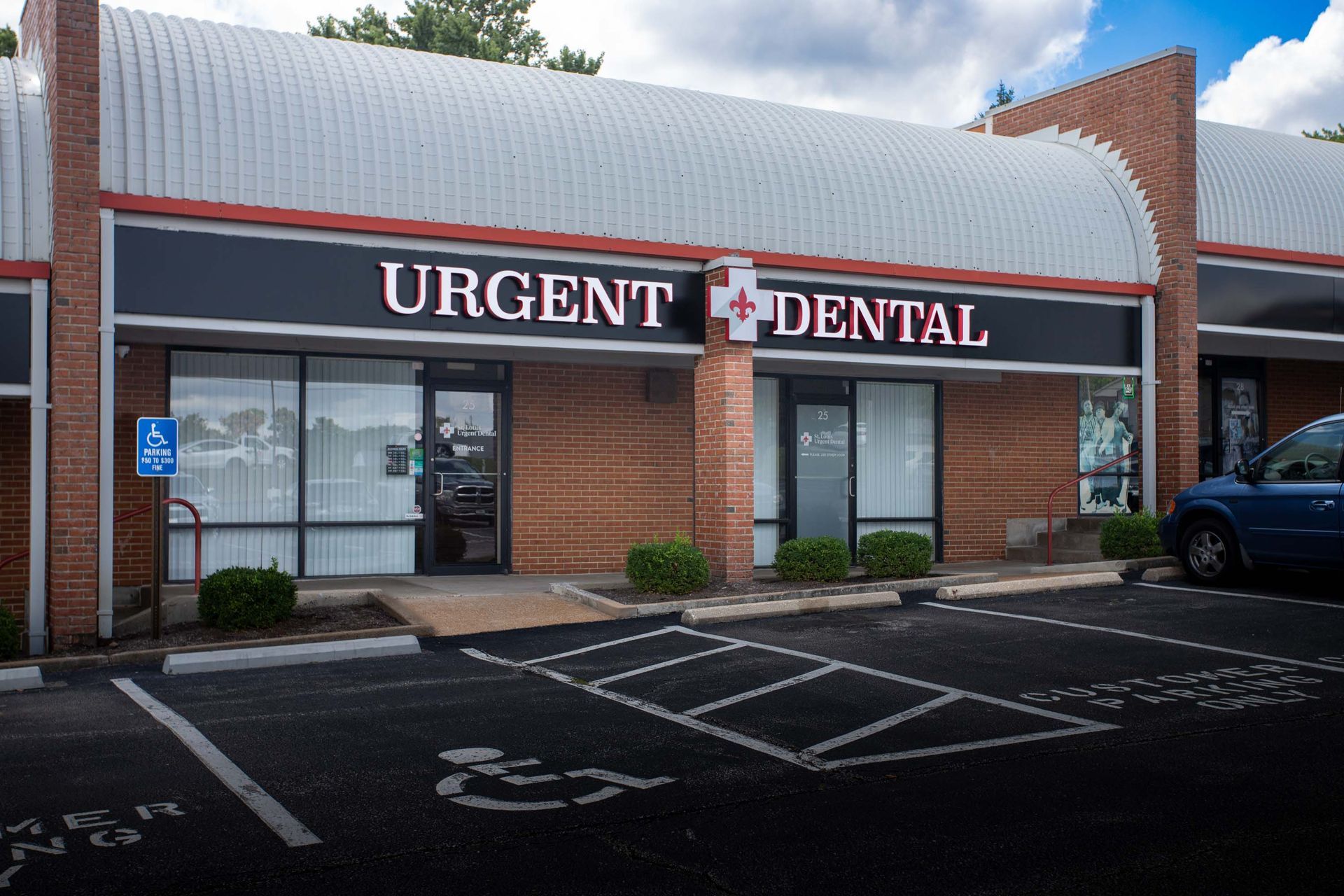
STL Urgent Dental provides problem-focused care for patients experiencing dental emergencies, including urgent issues involving children.
If your child is dealing with pain, injury, or another dental concern that cannot wait,
our team is available to help you take the next step with clarity and confidence.