

Dental Emergencies During Youth Sports Season
Youth sports help children stay active, build confidence, and develop teamwork skills. Whether your child plays football, soccer, baseball, basketball, hockey, or another sport, there is always a risk of injury.
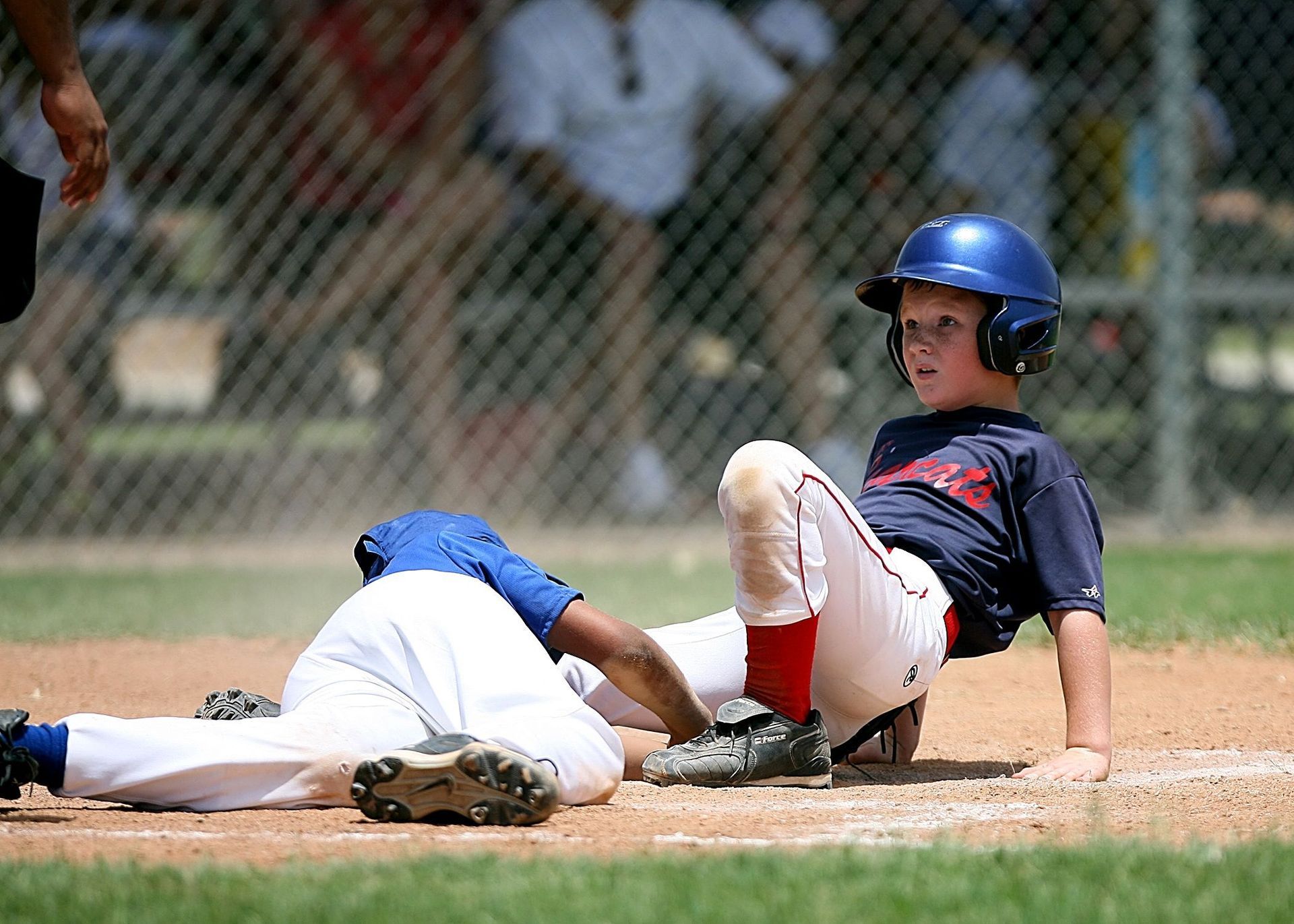
While most parents think about sprains, bruises, and broken bones, dental injuries are also surprisingly common during athletic activities. A hit from a ball, an accidental collision, or a fall on the playing field can quickly turn a fun game into a dental emergency.
Knowing how to respond and when to seek treatment can help protect your child's smile and potentially save a damaged tooth.
Why Dental Injuries Are Common in Youth Sports
Many sports involve fast movements, contact between players, and hard equipment. Even sports considered low-contact can cause dental injuries when athletes fall or collide.
Children and teens often participate in multiple sports throughout the year, increasing their exposure to situations where dental trauma can occur. In many cases, injuries happen unexpectedly and require immediate attention to prevent long-term complications.
Common sports-related dental injuries include:
- Knocked-out teeth
- Chipped or broken teeth
- Loose teeth
- Cracked teeth
- Injuries to the lips, cheeks, or gums
- Jaw injuries
- Tooth displacement
The sooner these injuries are evaluated, the better the chances of preserving the affected tooth and preventing additional damage.
What To Do If a Tooth Is Knocked Out
A knocked-out permanent tooth is one of the most urgent dental emergencies a young athlete can experience. Quick action can significantly improve the likelihood of saving the tooth.
If your child's permanent tooth is knocked out:
- Carefully pick up the tooth by the crown, not the root.
- Gently rinse away dirt using water if necessary.
- Try to place the tooth back into the socket if possible.
- If reinsertion is not possible, keep the tooth moist by placing it in milk or a tooth preservation solution.
- Seek emergency dental care immediately.
Time matters in these situations. Delaying treatment can reduce the chances of successful reattachment.
For younger children who lose a baby tooth due to injury, parents should still seek prompt evaluation to ensure there is no damage to nearby teeth, gums, or developing permanent teeth.
When a Chipped or Broken Tooth Is an Emergency
Not every chipped tooth causes immediate pain, but that does not mean it should be ignored.
Sports-related fractures can expose the tooth's sensitive inner layers and increase the risk of infection. A broken tooth may also continue to crack if left untreated.
Signs that a chipped or broken tooth needs urgent attention include:
- Significant pain
- Sensitivity to temperature
- Bleeding around the tooth
- Sharp edges cause soft tissue injuries
- Visible cracks extending into the tooth
Even minor chips should be evaluated to determine whether treatment is necessary.
Why Loose Teeth Should Never Be Ignored
After a collision or impact, some young athletes may notice that a tooth feels loose but has not fallen out.
A loose permanent tooth often indicates damage to the supporting structures that hold the tooth in place. Without prompt treatment, the tooth could become increasingly unstable or develop complications later.
Parents should schedule an emergency dental evaluation as soon as possible if a child experiences:
- A tooth that moves when touched
- Pain when biting down
- Swelling near the injured tooth
- Bleeding around the gumline
Prompt intervention may help stabilize the tooth and improve long-term outcomes.
Watch for Signs of Hidden Dental Injuries
Some sports-related dental injuries are not immediately obvious. A child may appear fine after a collision but develop symptoms hours or days later.
Parents should monitor for:
- Tooth discoloration
- Persistent toothache
- Sensitivity to hot or cold foods
- Swelling of the gums or face
- Difficulty chewing
- Jaw pain
These symptoms could indicate internal damage to a tooth, nerve injury, infection, or a fracture that requires treatment.
The Importance of Athletic Mouthguards
One of the best ways to reduce the risk of sports-related dental injuries is by wearing a properly fitted mouthguard.
Mouthguards help absorb impacts and protect teeth, gums, and jaw structures during athletic activities. They are especially valuable for contact sports such as football, hockey, wrestling, and basketball, but can also benefit athletes participating in baseball, softball, soccer, and skateboarding.
A mouthguard cannot prevent every injury, but it can significantly reduce the severity of many dental emergencies.
When To Seek Emergency Dental Care
Parents should contact an emergency dentist immediately if a child experiences:
- A knocked-out permanent tooth
- A loose permanent tooth
- Severe tooth pain after an injury
- A broken or cracked tooth
- Significant bleeding in the mouth
- Facial swelling
- Suspected dental infection following an injury
Prompt treatment can help relieve pain, protect oral health, and potentially save damaged teeth.
Help Protect Your Young Athlete's Smile in an Emergency
Dental emergencies can happen during any sports season, often when families least expect them. Knowing how to respond and seeking prompt care can make a major difference in protecting your child's oral health and preventing long-term complications.
If your child experiences a sports-related dental injury, STL Urgent Dental provides emergency dental care for children and adults.
Whether the issue involves a knocked-out tooth, a broken tooth, dental pain, or another urgent concern, getting professional care quickly can help your child return to their favorite activities with confidence.