

Dental Emergencies That May Get Worse If You “Wait It Out”
When dental pain or discomfort appears, it's common to hope it will simply go away. Busy schedules, dental anxiety, or uncertainty about whether a problem is "serious enough" often lead people to delay care. While some minor dental concerns can wait for a routine appointment, many dental emergencies become more complicated (and more painful!) the longer they're ignored.
Understanding which issues worsen over time can help you protect your oral health and avoid unnecessary discomfort or complex treatment.
Why Waiting Can Be Risky for Dental Emergencies
Unlike a mild headache or sore muscle, most dental problems don't heal on their own. Teeth and gums cannot repair decay, infections, or structural damage without professional care.
In some cases, pain may temporarily fade, giving the impression that the issue has resolved, when in reality, the underlying problem continues to progress.
Delaying urgent dental care often leads to a myriad of issues:
- Increased pain or swelling
- More extensive treatment
- Higher costs
- Greater risk of tooth loss or infection
Seeking care early is often the simplest and most comfortable option.
Common Dental Emergencies That May Get Worse Over Time
Persistent or Severe Toothaches
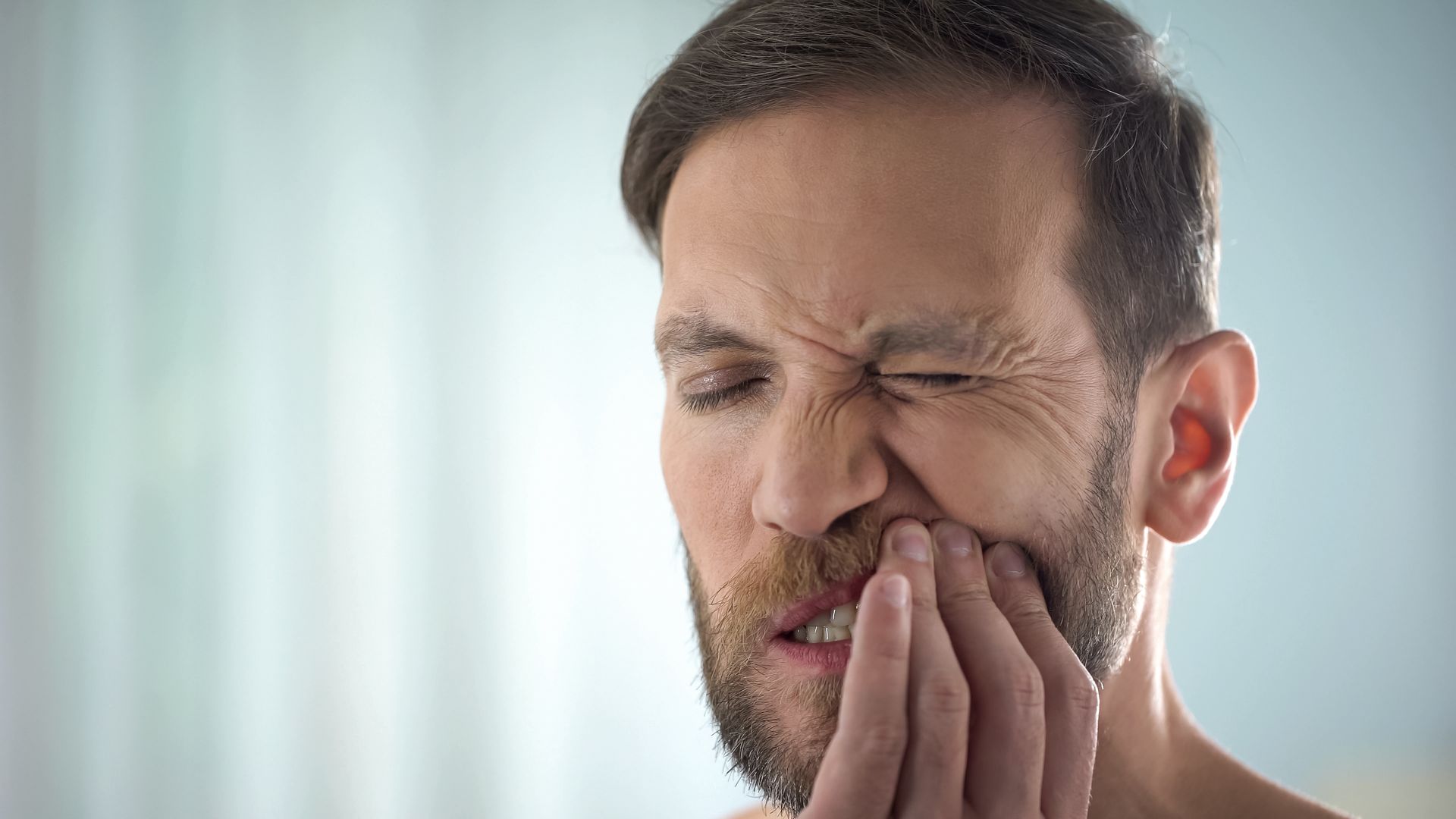
Ongoing tooth pain is one of the most common reasons patients delay treatment. Toothaches can be caused by deep decay, infection, or nerve involvement.
Even if pain comes and goes, it doesn't mean the problem is improving.
Left untreated, a toothache may progress into an infection that requires more complex treatment or even tooth extraction. Any tooth pain lasting more than a day or two should be evaluated promptly.
Dental Abscesses and Infections
Dental abscesses are infections that form near the root of a tooth or in the gums. They may cause swelling, fever, jaw pain, or a bad taste in the mouth. In some cases, swelling can spread to the face or neck.
Infections do not resolve on their own and can spread beyond the mouth if left untreated. Dental abscesses should always be treated as urgent dental issues.
Cracked or Broken Teeth
Small cracks or chips may not seem urgent at first, especially if there's little pain. However, cracks can deepen with everyday chewing or teeth grinding, allowing bacteria to enter the tooth.
What starts as a minor crack can quickly become a serious fracture or infection. Early treatment may prevent further damage and preserve the tooth.
Lost Fillings or Crowns
When a filling or crown falls out, the inner layers of the tooth are exposed. This can lead to sensitivity, decay, or even fracture if the tooth isn't protected.
Waiting too long to replace a lost restoration increases the risk of needing more extensive treatment. Prompt repair helps maintain tooth structure and comfort.
Gum Swelling, Bleeding, or Sudden Sensitivity
Sudden changes in your gums, such as swelling, bleeding, or tenderness, can signal infection or advanced gum disease. While some gum irritation may seem minor, certain symptoms indicate a developing emergency.
Ignoring gum issues can allow infections to spread and damage surrounding tissue and bone.
Common Myths That Lead to Delayed Care
Many patients delay treatment because of misconceptions or a false sense that the issue will/ has resolved itself.
- "The pain stopped, so it must be fine."
- "I'll just manage it with pain medication."
- "It's not bad enough to be an emergency."
Unfortunately, these assumptions can be misleading. Pain relief doesn't typically mean the problem is resolved (in most cases, it's a reprieve before the reprisal).
When You Should Seek Urgent Dental Care
You should contact an urgent dentist if you experience damage teeth or prolonged/severe pain:
- Tooth pain lasting more than 24 - 48 hours
- Swelling in the gums, face, or jaw
- Difficulty chewing or biting
- Signs of infection, such as fever or drainage
- A cracked, broken, or knocked‑out tooth
Urgent dental care focuses on relieving pain, diagnosing the issue, and stabilizing the problem before it worsens.
How Early Treatment Makes Dental Care Easier
Seeking care early often means that you are mitigating the issue before it truly gets out of hand, which will save you both pain and money:
- Faster pain relief
- More conservative treatment options
- Reduced risk of complications
- Greater peace of mind
Addressing dental emergencies promptly can save time, reduce discomfort, and lower long-term costs.
Don't Wait When Something Feels Wrong
Dental emergencies rarely improve on their own. If something doesn't feel right, it's best to trust your instincts and seek professional care.
Acting early can make all the difference in protecting your smile and your overall health.
At St. Louis Urgent Dental, we're here to provide prompt, compassionate care when you need it most.
If you're experiencing dental pain or symptoms that shouldn't be ignored (now or in the future),
contact our team for an urgent appointment today.