

Urgent Dental vs. the ER: Where Should You Go for Tooth Pain?
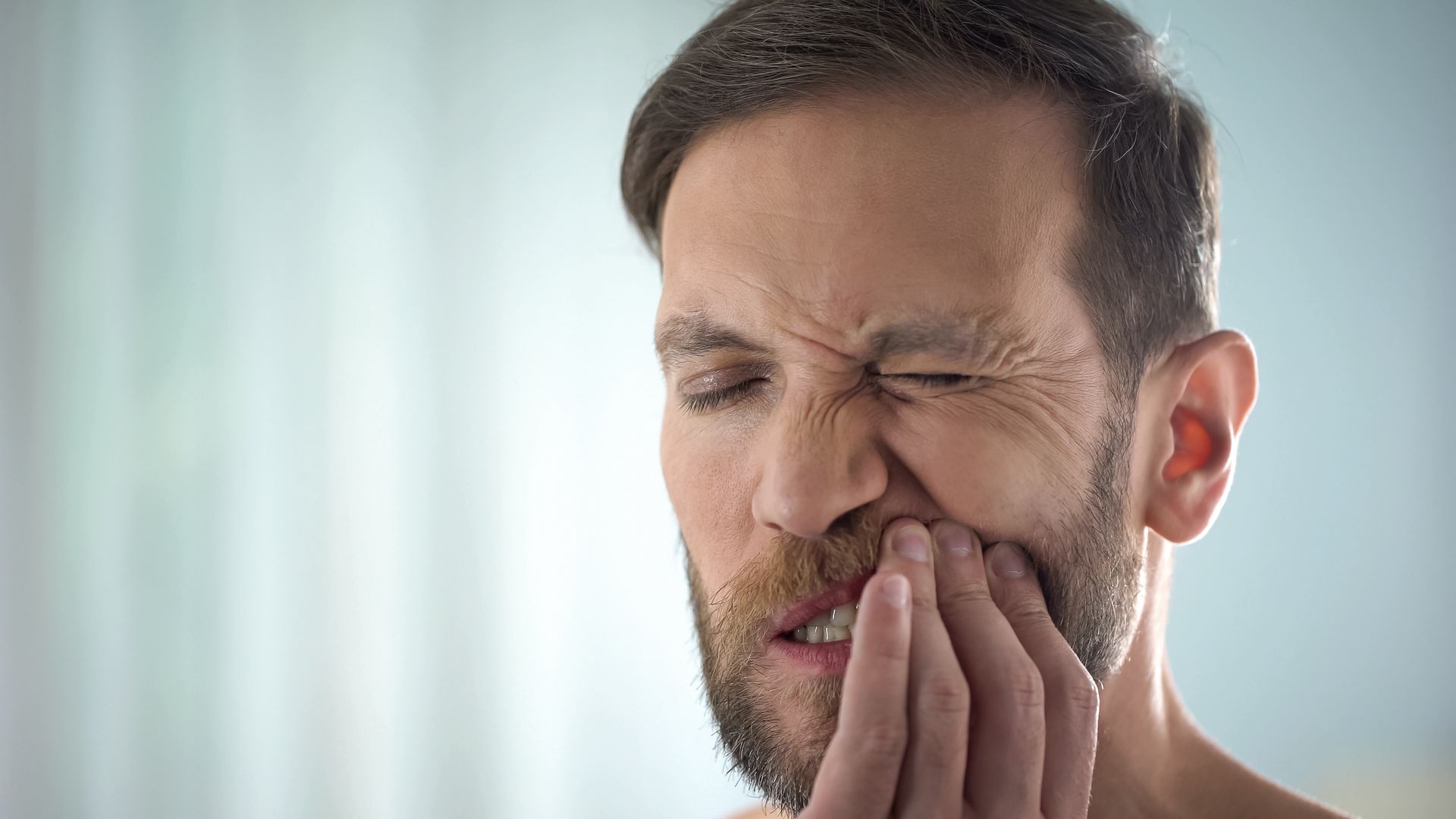
It's 9 p.m. on a Saturday, and a dull ache in your back tooth has turned into a sharp, throbbing pain. Your regular dentist's office is closed until Monday, and the nearest emergency room is open all night. Where should you go?
Both options are available after hours, but they are built to handle very different problems. Knowing the difference can save you time, stress, and a second trip.
Here's how to decide where to go when dental pain strikes.
When Should You Go to the ER for a Dental Problem?
Some dental problems can affect your overall health and need immediate medical attention. Head to the emergency room or call 911 if you have:
- Swelling that spreads toward your eye, down your neck, or under your jaw
- Trouble breathing or swallowing
- A high fever along with facial swelling
- Bleeding that won't stop after 10 to 15 minutes of firm pressure
- A possible broken jaw or serious facial injury
- A head injury or loss of consciousness, even if a tooth was also knocked out
These symptoms can signal a spreading infection or trauma that needs medical care first. If you're ever unsure whether swelling is affecting your breathing, go to the ER right away.
What Can an Emergency Room Do for Tooth Pain?
Emergency room teams are trained to stabilize medical emergencies, but most hospitals don't have a dentist on staff.
For tooth pain, an ER doctor can typically help manage your pain, prescribe antibiotics for an infection, and check for serious complications. What they usually can't do is fix the tooth itself. Fillings, root canals, and extractions are outside the scope of most ERs, so patients are often told to follow up with a dentist.
According to the
American Dental Association, ER care for dental pain often fails to address the underlying cause, and many patients return to the emergency department for the same problem.
When Is an Emergency Dentist the Better Choice?
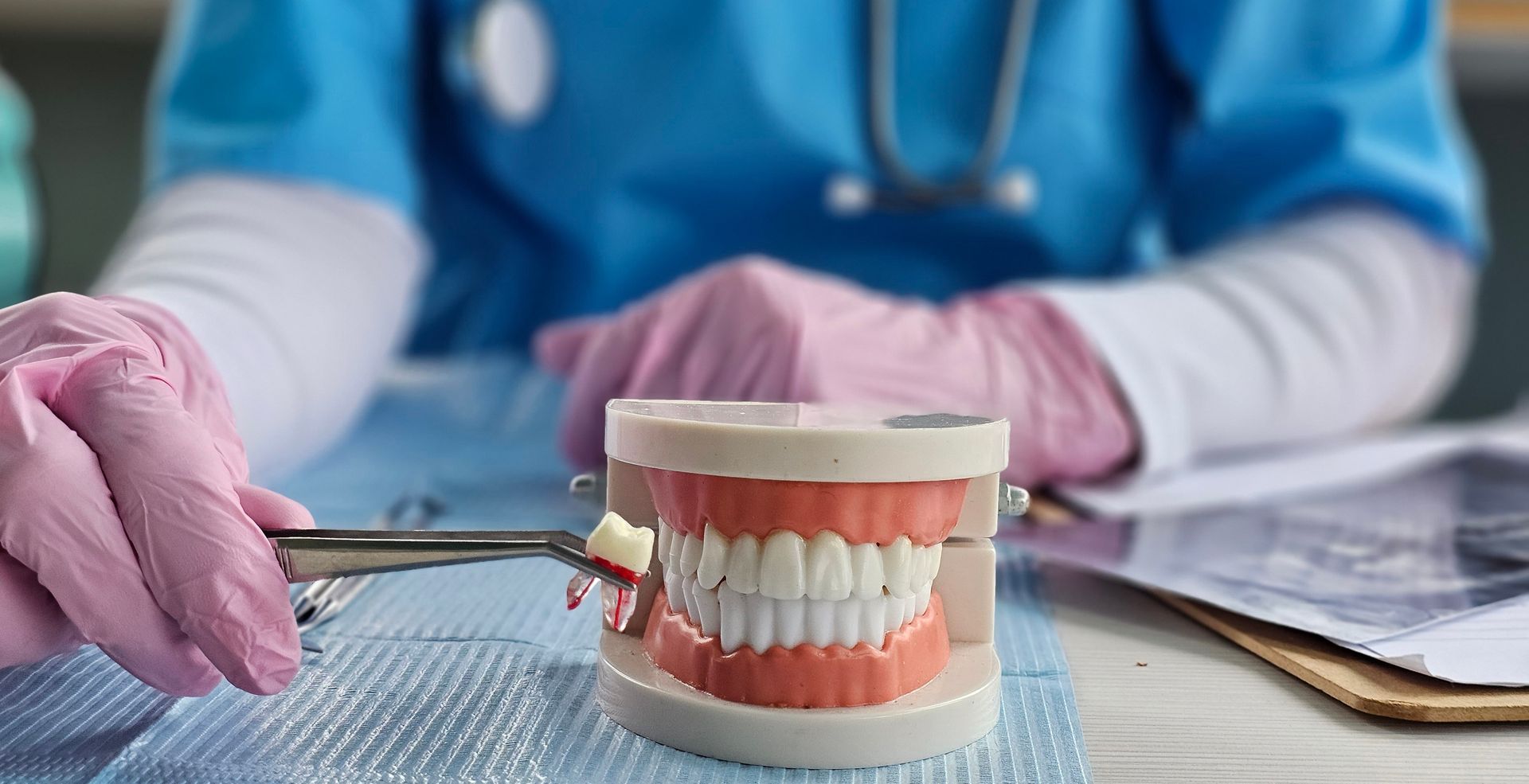
For most problems involving your teeth and gums, an emergency dentist can diagnose and treat the cause in a single visit.
Consider calling an emergency dentist if you have:
- A severe or lingering toothache
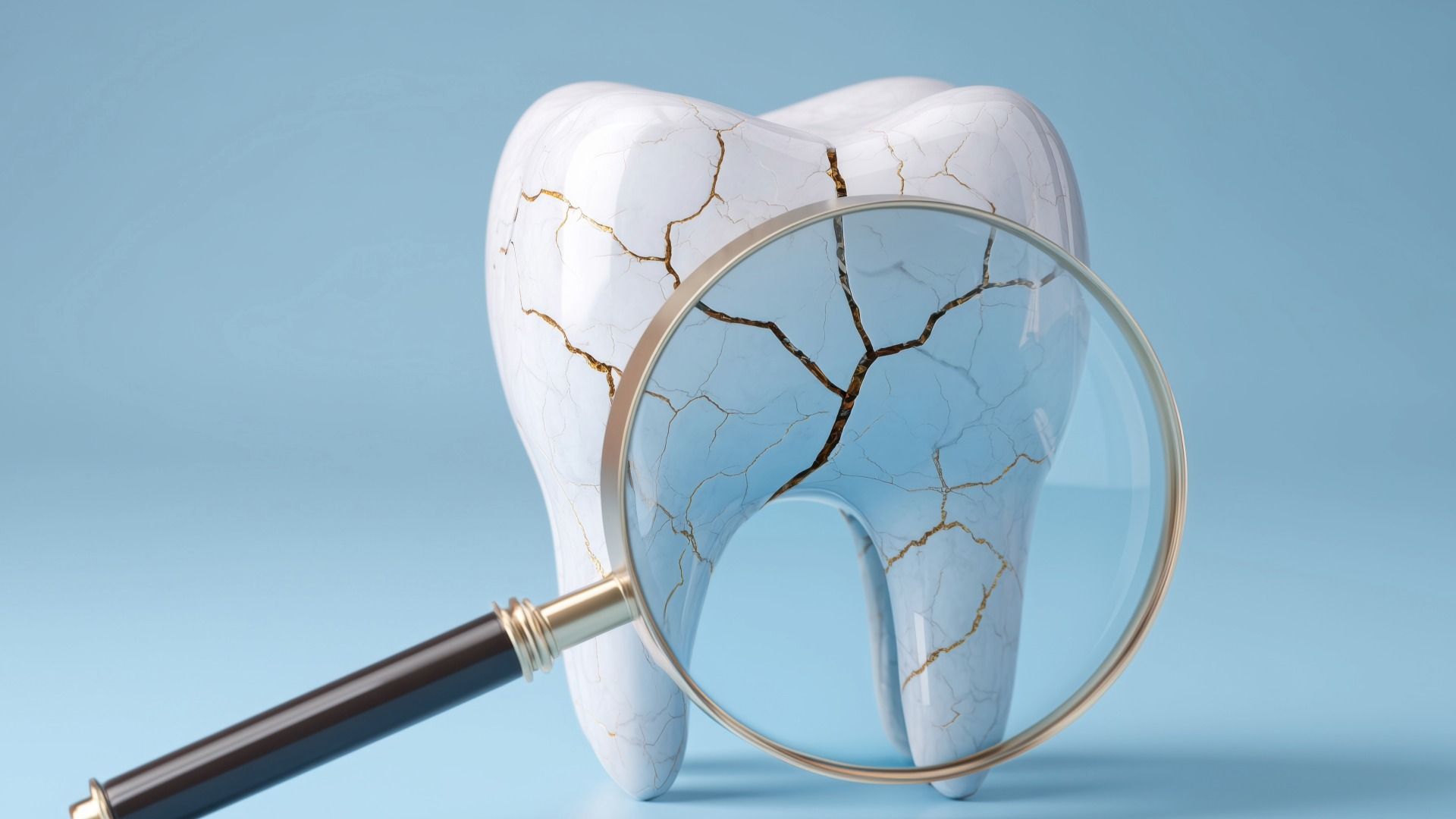
- A cracked, chipped, or broken tooth
- A knocked-out tooth with no other injuries
- A lost filling or crown
- Gum swelling, a pimple-like bump on the gums, or a bad taste that suggests infection, without trouble breathing or swallowing
- Pain that develops after a recent dental procedure
A knocked-out tooth is especially time-sensitive. The best chance of saving it is getting to a dentist as soon as possible, ideally within an hour.
What Does an Emergency Dentist Do That the ER Can't?
An emergency dentist has the tools and training to find the exact source of your pain. Dental X-rays can reveal hidden decay, cracks, or infection that may not be visible during a quick exam.
From there, treatment can often begin the same day. Depending on the problem, that may include an emergency extraction, root canal therapy, nerve debridement to relieve pain from an inflamed nerve, a filling, or a crown.
After a visit to an emergency dental clinic, you leave with the problem addressed and a clear plan for any follow-up care, without needing to make a second visit elsewhere just to get started.
How to Find an After-Hours Dentist Before You Need One
Dental emergencies rarely happen at convenient times, so it helps to plan ahead. Take a few minutes now to look up which practices in your area offer night and weekend urgent dental care, and save their phone number and booking link in your phone.
If a problem comes up before you can be seen, a few simple steps can help:
- Rinse gently with warm water
- Apply a cold compress to the outside of your cheek
- Keep a knocked-out tooth moist in milk, holding it by the crown instead of the root
Urgent Dental Care in St. Louis, Nights and Weekends, When You Need It Most
When dental pain hits, go to the ER for breathing problems, spreading swelling, or major injuries, and see an emergency dentist for nearly everything else.
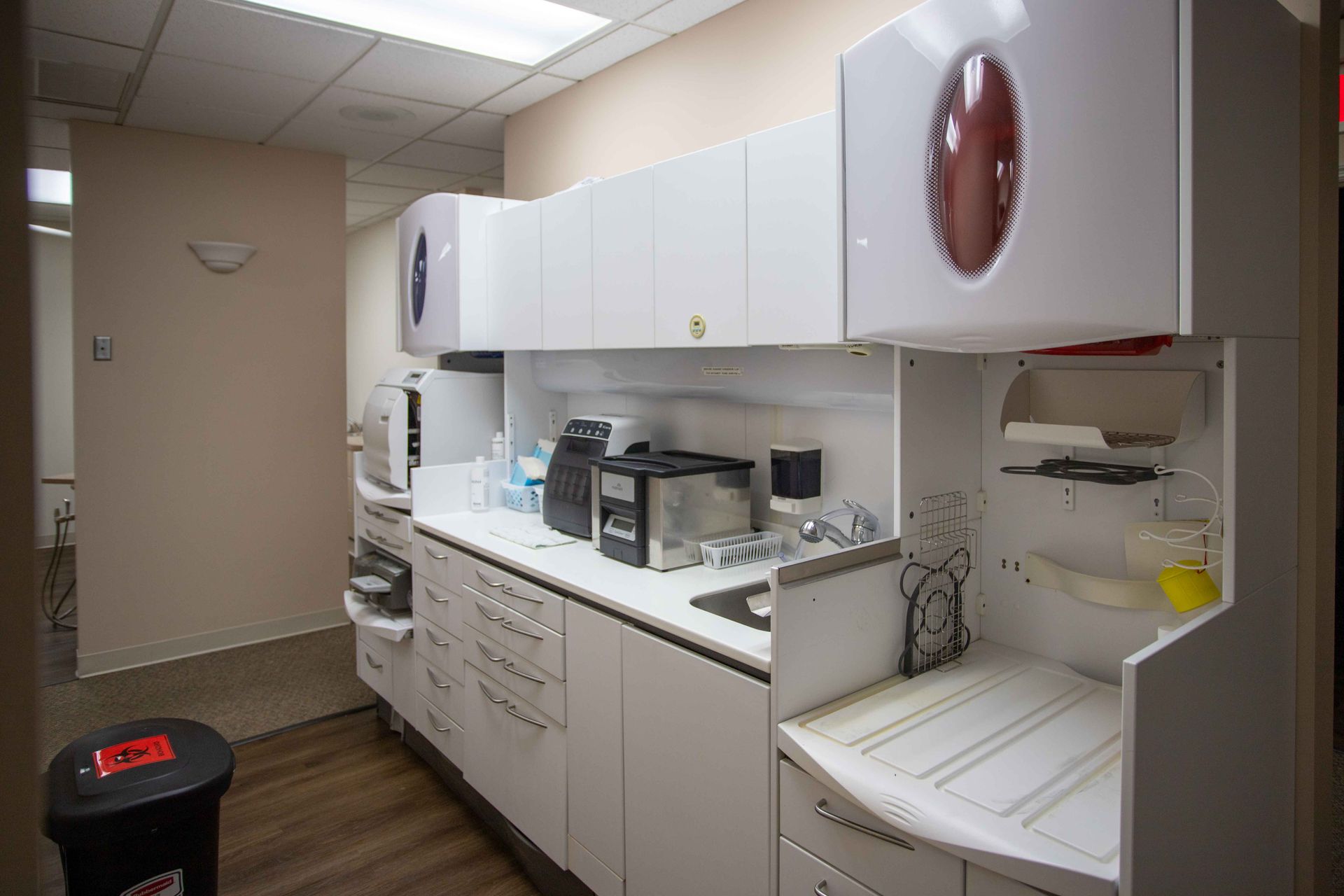
STL Urgent Dental provides same-day emergency dental treatment with evening and weekend hours at four locations across the St. Louis area: South County, St. Charles, Forest Park, and West County.
If you’re dealing with tooth pain or a dental injury,
contact us for more information or to
schedule an urgent appointment.